
13 July 2026
Can a Psychologist Help a Child with Autism?
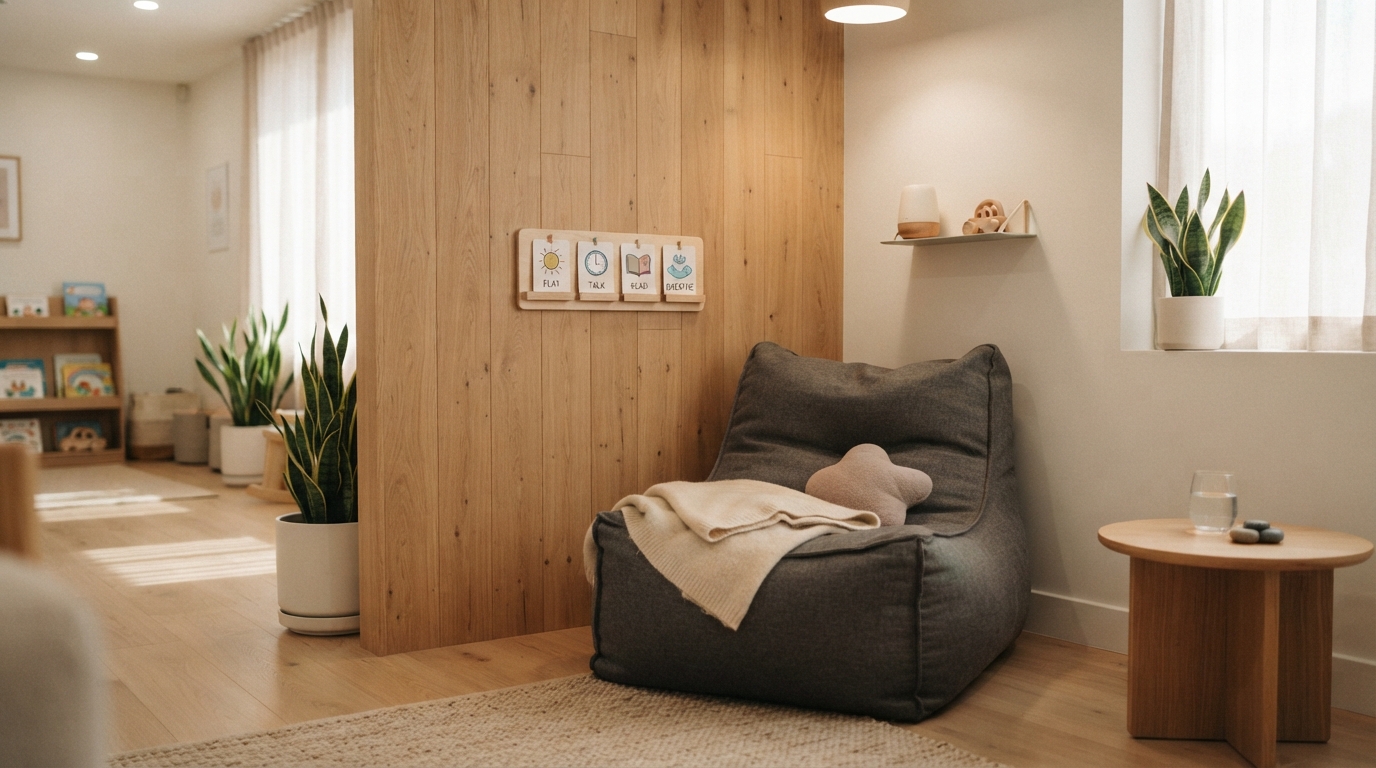
Can a psychologist help a child with autism? Yes, a psychologist can offer strategy-focused support to help your child develop new skills. We work with children with autism to build social skills and develop strategies for emotional regulation.
Key Takeaways
Psychologists teach children strategies to understand their daily emotions.
Therapy is designed to help kids manage sensory overload and school stress.
Families can get financial support through Medicare rebates.
Our clinic offers care in both English and Tagalog.
How We Support Your Child with Autism
Every young person has their own unique strengths and needs. We do not use a one-size-fits-all approach when we meet your family. Our team focuses on safe and individualised care so your child feels heard and understood.
Our lead clinician, Sara, is a registered psychologist with the Australian Health Practitioner Regulation Agency (AHPRA). She has native bilingual proficiency in English and Tagalog. This helps us offer accessible psychological services to the diverse families living in Westmead, Parramatta, and Lidcombe.
When you visit us, we look at the whole picture. We want to know what makes your child happy and what causes them stress. This helps us make a clear plan that fits their daily life at home and school. To ensure we provide accurate care, our practice closely follows the official autism clinical guidelines outlined by the Autism CRC.
Learning to Handle Big Emotions
Our assessment looks closely at how your child reacts to the world around them. Many children with autism feel things very deeply. Sometimes, everyday environments can feel too loud, too bright, or too fast. This can lead to sensory overload and meltdowns that feel scary for the child.
We work on emotional regulation to help children spot these big feelings early. We teach them how to notice when their body feels tight or angry. Then, we work on simple coping tools aimed at helping them calm down when they notice early signs of distress.
Our clinic uses ideas from brain development to guide our work. Sara is NMT® Phase 1 Certified, which means she understands the Neurosequential Model of Therapeutics. This clinical framework helps us look at how a child's brain handles stress and adversity. We use this knowledge to build a peaceful space where your child feels safe to learn. You can view our full clinical approach on our website services page.
Building Social Confidence at School
Once a child learns to manage these big internal feelings, they find it much easier to step out into social settings. However, school life can still bring lots of tricky moments for a young person. Children often face big school-related concerns and peer pressure from their classmates. A psychologist can teach your child strategies designed to help them navigate these social scenarios.
We practice social skills through play and conversations. Your child will work on learning how to share, how to talk to friends, and how to join in on games. This is designed to help support their social interactions with peers at school.
Our team also helps with behavioural challenges that might show up in class. We do not try to force your child to fit a strict mold. Instead, we teach them helpful coping strategies so they can participate in school activities in their own comfortable way.
Working with School Teachers and Doctors
To make these school strategies truly work, good care must extend beyond our clinic walls. We work closely with your child's paediatrician, speech pathologist, and school teachers to keep everyone on the same page. This creates a strong allied health team around your family.
We can share helpful tips with teachers so they can support your child in the classroom. This might include creating a quiet corner or using visual schedules. These small steps are aimed at reducing stress and helping to manage patterns of sensory overload.
We also assist parents with parenting challenges. Raising a child with neurodevelopmental presentations can be tiring. We give you practical ideas to use at home so your daily routine feels smoother and calmer. For families looking for extra tips on managing these household routines, the Raising Children Network offers excellent Australian parenting guides.
Understanding Medicare Rebates and Funding Options
Supporting a child requires a sustainable plan, which is why finding the right funding pathway is very important for families. You can access our psychological services through a few different options. We accept Medicare, SIRA, and private choices to make care accessible.
If you have a Mental Health Care Plan from your family doctor, you can get Medicare rebates for your sessions. This lowers the out-of-pocket cost for your family. Sara is a fully registered Medicare provider and a SIRA approved psychologist. You can see how our billing works by visiting our website Fees & Funding page.
Please note that our regular therapy sessions are separate from NDIS behaviour support services. If your child needs formal positive behaviour support under an NDIS plan, those specific services are managed separately through our partner group, Universal Ability, which is a registered NDIS provider. This clear separation ensures you get the exact type of care your child needs.
Finding Safe and Caring Local Support
Our cozy clinic is located at 12 Caroline Street, Westmead, NSW, Australia. We are proud to serve families from Parramatta, Lidcombe, and all surrounding neighbourhoods. We love helping our local community thrive.
We hear from many parents who feel worried before their first visit. It is completely normal to feel that way. Our main goal is to make sure you and your child feel safe, comfortable, and understood from day one.
Our sessions are held by appointment only. This ensures that every single child gets our full attention in a quiet and calm environment. We want this to be a place your child looks forward to visiting each week.
Frequently Asked Questions
Can a psychologist help a child with autism get a diagnosis?
Yes, psychologists can do formal testing to see if your child has autism. They look at how your child plays, talks, and reacts to different things. This helps you get the right support at school.
What is the difference between therapy and behaviour support?
Therapy at our clinic helps children understand feelings and build coping skills. Separate NDIS behaviour support programs focus on specific structural plans and are run through our partner Universal Ability.
How do I start sessions for my child?
You can contact us directly to book an appointment. If you want to use Medicare rebates, you will need to see your doctor first to get an official referral letter before your visit.
Can you provide therapy in languages other than English?
Yes, our lead clinician Sara speaks both English and Tagalog fluently. This helps us offer culturally safe care to many families living across Western Sydney.
Start Your Journey With Us
We are here to support your child's goals. Please get in touch with our friendly team today to ask questions or to book your first appointment.