
26 August 2026
Recognizing Anxiety Symptoms: Physical Signs and When to See a Psychologist
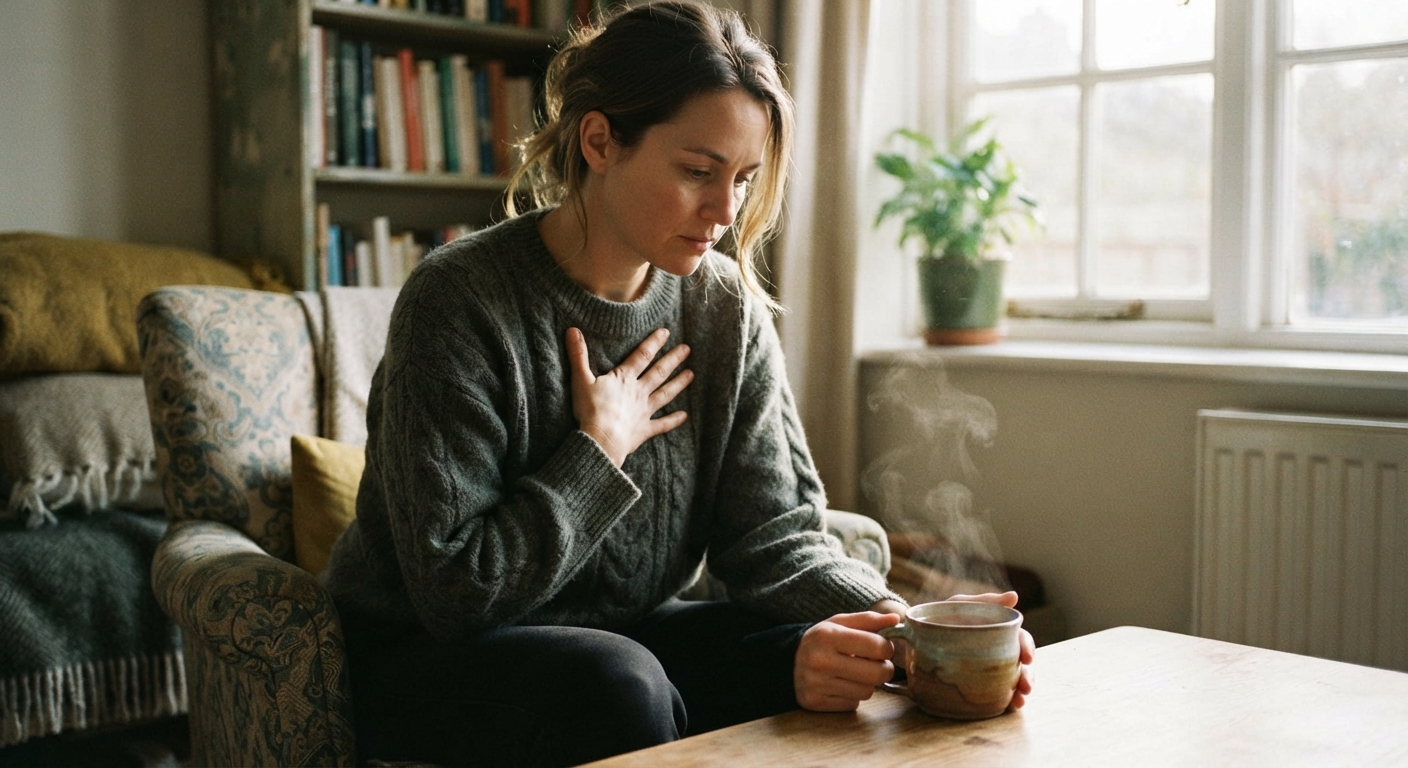
Physical anxiety symptoms cause sudden chest tightness, a pounding heart, dizziness, and stomach pain that makes you feel sick. These reactions happen when your brain detects a threat and triggers a rush of stress hormones. Learning how your body reacts to stress helps you understand your health and decide when to seek professional care.
Key Takeaways
Anxiety causes real physical reactions, including shallow breathing, a fast pulse, muscle tension, and digestive upset.
The brain and body connect directly through stress hormones like adrenaline and cortisol.
Everyday stress fades once an event passes, while chronic anxiety persists for months and disrupts daily routines.
A family doctor can help rule out underlying medical issues before you begin therapy.
In Australia, a Mental Health Treatment Plan through Medicare provides rebates for psychology sessions.
How Anxiety Symptoms Manifest Across the Body
Many people think of anxiety as purely mental worry. In practice, the nervous system produces physical sensations that feel alarming. It is common for individuals experiencing intense physical anxiety to first visit emergency departments or medical specialists to check for cardiac or gastrointestinal conditions.
When your brain perceives a threat, it activates the sympathetic nervous system. This survival mechanism releases adrenaline and noradrenaline into your bloodstream. Your heart pumps faster to send blood to major muscle groups, your breathing quickens to take in oxygen, and your sweat glands activate to cool your skin.
These reactions can occur during sudden episodes or stay as a constant background feeling throughout the week:
Your heart pounds rapidly, accompanied by chest tightness or shallow breathing.
Blood flow shifts and fast breathing cause dizziness, tension headaches, or lightheaded feelings.
Distress signals travel along the vagus nerve to your digestive tract, causing nausea, stomach cramps, bloating, or sudden bathroom urgency.
Muscles stay clenched in your jaw, neck, and shoulders, leading to trembling hands or a shaky voice.
You struggle to fall asleep, wake up repeatedly during the night, or feel exhausted in the morning.
Why the Body Reacts Physically to Stress
To understand why these body sensations happen, it helps to look at the biology behind the stress response. Your brain is wired to keep you safe from immediate physical danger.
When a threat occurs, your brain starts a chain reaction through the hypothalamic-pituitary-adrenal axis. This system tells your adrenal glands to release cortisol. Cortisol raises blood sugar to give your muscles quick energy. This process works well when you need to run from physical danger, but modern pressures like work deadlines or family stress do not require running.
When stress stays active for weeks, extra cortisol remains in your bloodstream. Over time, this causes ongoing muscle fatigue, poor sleep, and headaches. According to clinical guidance from Healthdirect Australia, sustained autonomic arousal keeps the body on alert even when no physical threat exists.
Your digestive system is also sensitive to emotional stress. The brain and gut communicate constantly through a network of nerves called the enteric nervous system. When anxiety hits, brain signals alter your gut movement and blood flow. This direct connection explains why stomach aches and nausea happen alongside high stress.
Differentiating Everyday Stress from Chronic Anxiety
Because physical stress reactions are normal, telling the difference between daily tension and an anxiety disorder comes down to duration, intensity, and impact.
Everyday stress connects to a specific situation, such as sitting an exam, going to a job interview, or paying an unexpected bill. Once that situation ends, your nervous system resets and your body returns to rest.
Anxiety disorders are different because the body alarm stays active without an obvious reason. Persistent worry lasts for months, feels difficult to control, and stops you from working, studying, or resting.
The physical effects of panic take this alarm a step further. Panic attacks are sudden surges of fear that peak within minutes. During an attack, rapid shallow breathing lowers carbon dioxide levels in your blood, which makes dizziness and finger tingling feel much worse. Recognizing these patterns helps you decide when it is time to seek professional support.
When to Schedule an Appointment with a Psychologist
Basic self-care habits like walking, slow breathing, and tracking your triggers are helpful steps. However, professional care becomes necessary when physical discomfort begins limiting your daily life.
Consider making an appointment with a mental health professional if you notice these signs:
You struggle to concentrate at work, avoid leaving home, or lose sleep night after night.
Your GP has checked your heart, thyroid, and stomach and found no physical illness behind your symptoms.
Worry leads to withdrawal from loved ones, irritability, or trouble staying present in conversations.
You rely on alcohol, smoking, or excessive screen time to numb physical tension.
Your physical symptoms happen more often or feel more intense over time.
Navigating Mental Health Care Pathways in Australia
Getting professional support in Australia follows a straightforward process. The first step is booking an extended consultation with your family doctor.
Your GP will review your symptoms, ask about your medical history, and check for any physical conditions that mimic anxiety. If appropriate, your doctor can write a Mental Health Treatment Plan. This plan gives you access to Medicare rebates for up to 10 psychology sessions per calendar year under the Better Access initiative.
A registered psychologist works with you to understand your triggers and nervous system responses. Therapies like Cognitive Behavioural Therapy help you see how thoughts, feelings, and body reactions influence each other. Clinicians also use Acceptance and Commitment Therapy along with practical regulation techniques to help you manage your stress responses.
Your doctor might also discuss whether anxiety medication is an appropriate option alongside therapy. While psychologists do not prescribe medication, they work alongside your doctor to support your treatment plan.
Our team provides individual psychological care for children, teenagers, and adults through our professional psychology services. We focus on building a safe space where you feel heard, offering sessions in both English and Tagalog at our Westmead clinic.
If you ever experience severe distress or need urgent crisis help, contact Lifeline Australia on 13 11 14 for free support at any time.
Frequently Asked Questions
Can anxiety symptoms make you feel physically sick?
Yes. Anxiety releases stress hormones that alter your digestion, heart rate, and muscle tone. This causes nausea, headaches, dizziness, and stomach pain even when you have no viral or physical illness.
How do I know if chest tightness is from panic or a heart issue?
You should always have chest tightness checked by a medical doctor first to rule out heart problems. Once tests confirm your heart is healthy, a psychologist can help you manage the muscle tightness and shallow breathing linked to panic.
How many psychology sessions can I claim through Medicare?
Under a Mental Health Treatment Plan from your GP, eligible Australian residents can receive Medicare rebates for up to 10 individual psychology sessions each calendar year.
Do I need a doctor referral to see a private psychologist?
You can book an appointment directly with a private psychologist without a referral. However, you will need a referral and treatment plan from your GP if you want to claim Medicare rebates for your sessions.
Looking for Support with Anxiety?
Our Westmead team provides personalised psychology support to help you understand your nervous system and develop strategies to manage stress.